



Loading page…
Ultrasound and Radiology
Price Starts From | No Hidden Charges
Loading price…
₹800/*
*Prices may vary by city and chosen centre. Inclusive of sonologist report. No hidden charges.
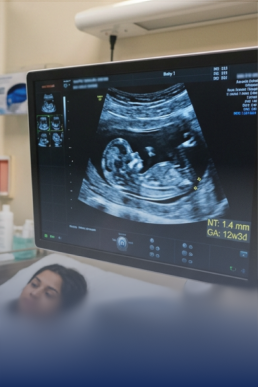
A Pregnancy Ultrasound (Obstetric Ultrasound) uses high-frequency sound waves to create real-time images of the developing baby, placenta, amniotic fluid, and uterus — at every stage of pregnancy. It is the primary monitoring tool for maternal and foetal health throughout all three trimesters. Each ultrasound scan in pregnancy serves a specific purpose — from confirming a heartbeat in the first weeks to assessing foetal position before delivery. At Medall, pregnancy ultrasounds are performed by experienced sonologists with dedicated obstetric training. Standard Pregnancy Ultrasound Schedule: * 6–8 weeks — Early pregnancy / Viability scan: confirms intrauterine pregnancy, heartbeat, gestational age * 11–14 weeks — NT Scan (see Page 13): nuchal translucency and chromosomal screening * 18–22 weeks — Anomaly Scan / Level 2 Scan (see Page 17): detailed foetal anatomy survey * 28–32 weeks — Growth scan: foetal growth, weight estimation, amniotic fluid, placental position * 36–40 weeks — Well-being scan: foetal position, cord, fluid, biophysical profile No radiation. No injections. Completely safe for mother and baby at all stages of pregnancy.
Key benefits of this package include:
Intrauterine pregnancy confirmation — rules out ectopic pregnancy
Foetal heartbeat — presence and rate (normal: 120–180 bpm)
Gestational age and due date — via Crown-Rump Length (CRL)
Number of foetuses — identifies twins or higher-order pregnancies
Nuchal translucency (at 11–14 weeks) — chromosomal risk screening
Uterine and ovarian conditions — fibroids, ovarian cysts
Foetal anatomy survey (Anomaly Scan at 18–22 weeks) — brain, heart, spine, limbs, kidneys, abdominal wall
Foetal growth biometry — HC, AC, FL measurements
Placental location — anterior, posterior, low-lying (placenta praevia)
Amniotic fluid index (AFI) — adequate, reduced (oligohydramnios), or excess (polyhydramnios)
Cervical length — screening for preterm birth risk
Foetal growth and estimated weight (EFW) — detects intrauterine growth restriction (IUGR)
Foetal presentation — cephalic (head-down), breech, transverse
Placental maturity — grading system (0–III)
Amniotic fluid assessment — reduced fluid in third trimester is a concern
Biophysical profile (BPP) — foetal breathing, movement, tone, fluid, and non-stress test
Umbilical cord Doppler — foetal blood flow (when IUGR is suspected)

Explore other scans and imaging services — book online or request a call back.


Pathology tests that pair well with your imaging — book home collection online.