


Loading page…
This combined test measures Fasting Blood Glucose (FBS) from a blood sample and simultaneously checks for the presence of gluco...
Also known as: FBS with Urine Sugar Test · Fasting Blood Sugar with Urine Glucose · FBS + Urine Glucose
Limited Offer | Best Price Guaranteed
Loading price…
Loading price…
*Inclusive of home collection charges


This combined test measures Fasting Blood Glucose (FBS) from a blood sample and simultaneously checks for the presence of glucose in urine — providing a comprehensive picture of blood sugar regulation and kidney glucose threshold. Together, these two parameters are among the most important initial tests for diagnosing diabetes and prediabetes. 10–12 hours of fasting is required.
Key benefits of this package include:
What Does the Glucose — Fasting with Urine Glucose Test Measure?
| Level / Result | Possible Interpretation |
|---|---|
| FBS < 100 mg/dL + Urine Glucose Negative | Normal — no evidence of diabetes or prediabetes |
| FBS 100–125 mg/dL (Prediabetes) | Impaired Fasting Glucose — lifestyle intervention recommended; HbA1c advised |
| FBS ≥ 126 mg/dL (Diabetes range) | Consistent with diabetes — repeat test and HbA1c required for confirmation |
| Urine Glucose Positive with Normal FBS | May indicate low renal glucose threshold — benign renal glycosuria or SGLT2 inhibitor use |
| Urine Glucose Positive with High FBS | Uncontrolled diabetes — blood glucose has exceeded the kidney's reabsorptive capacity |
Important Note: A single fasting glucose in the diabetic range requires confirmation with a repeat fasting glucose or HbA1c test. Urine glucose alone is not a substitute for blood glucose — it reflects blood sugar control only above the renal threshold. All results should be interpreted by your physician.
Why Both Blood and Urine Glucose Matter Together: Blood glucose gives an accurate snapshot of current glycaemia. Urine glucose adds qualitative information about whether blood sugar has been high enough to exceed the kidney's reabsorptive capacity. A positive urine glucose alongside a normal fasting blood glucose may indicate benign renal glycosuria — a harmless hereditary condition where the kidney has a lower-than-normal glucose threshold — or it may reflect recent post-meal hyperglycaemia not captured by fasting measurement alone.

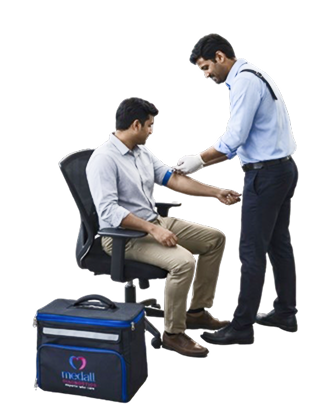
Book once, we handle the rest. Our certified phlebotomist arrives at your doorstep — your report is delivered within 24 hours.
Trusted by millions of Customers across South India — these are the tests our doctors recommend most.
Screens for anaemia, infections, and immune health