


Loading page…
The Lactate Dehydrogenase (LDH) test measures the level of LDH — an enzyme found in nearly every cell of the body — in the bloo...
Also known as: LDH Test · LD Test · Lactic Dehydrogenase Test · LDH Blood Test
Limited Offer | Best Price Guaranteed
Loading price…
Loading price…
*Inclusive of home collection charges


The Lactate Dehydrogenase (LDH) test measures the level of LDH — an enzyme found in nearly every cell of the body — in the blood. When cells are damaged or destroyed, LDH is released into the bloodstream. Elevated LDH is a non-specific but clinically important marker of tissue damage associated with heart attack, liver disease, haemolytic anaemia, muscle injury, and certain cancers. No fasting required.
Key benefits of this package include:
What Does the Lactate Dehydrogenase (LDH) Test Measure?
| Level / Result | Possible Interpretation |
|---|---|
| 140–280 U/L (Normal) | No significant tissue damage detected |
| Mildly elevated (280–400 U/L) | May indicate mild tissue stress, haemolysis, or intense exercise |
| Moderately elevated (400–800 U/L) | Significant tissue damage — liver disease, haemolytic anaemia, myocardial injury |
| Severely elevated (> 800 U/L) | Extensive tissue destruction — severe haemolysis, large infarction, aggressive malignancy |
Important Note: LDH is a non-specific marker — elevation alone does not pinpoint the cause. Results must always be interpreted by a physician in the context of symptoms, other blood tests, and clinical history.
LDH in Cancer Monitoring: Serum LDH has become an important marker in oncology. In lymphoma, leukaemia, and solid tumours, LDH reflects tumour burden and metabolic activity. Persistently elevated or rising LDH in cancer patients often signals disease progression or treatment resistance. In COVID-19, LDH was widely used as a severity marker — elevated LDH correlates with lung inflammation and adverse outcomes.

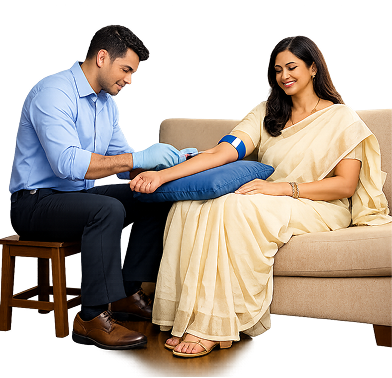
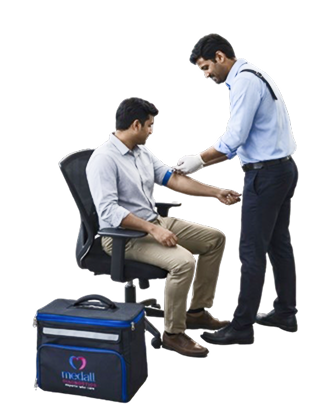
Book once, we handle the rest. Our certified phlebotomist arrives at your doorstep — your report is delivered within 24 hours.
Trusted by millions of Customers across South India — these are the tests our doctors recommend most.
Screens for anaemia, infections, and immune health